
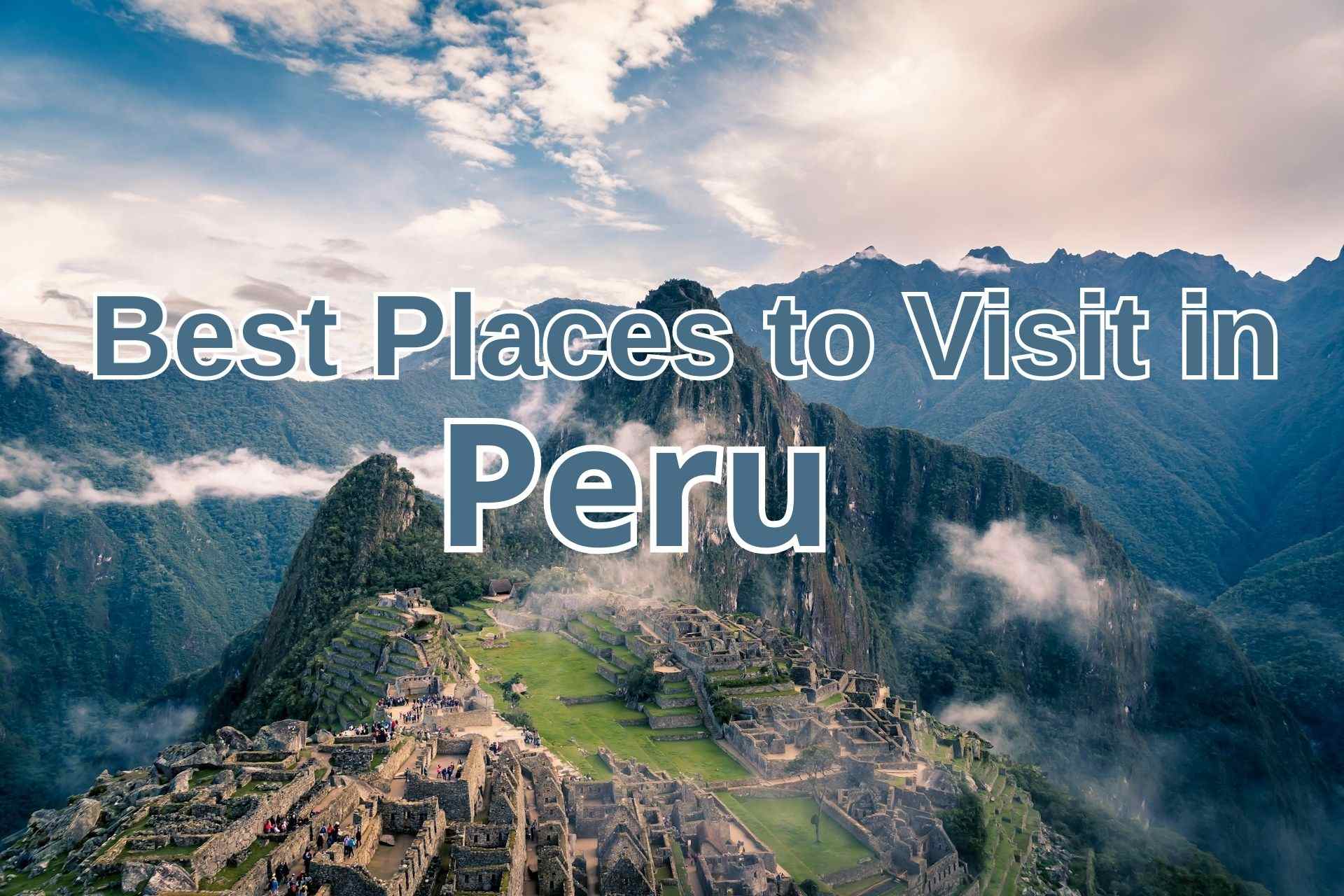
Peru is an incredible country with a huge variety of things to do and a lot of things to do. It has natural landscapes, cultural heritage, Incan ruins, mountains, coastal desert, pyramids from the first civilization in the Americas, dense Amazon jungle, sky-scraping mountain peaks, wild untamed jungle, glittering shores of the Pacific Ocean, and spellbinding scenery.
This South American powerhouse gives countless adventures, hiking in the Andes, varied activities and experiences, different experiences in the north and south, endless list of reasons visitors keep coming back for more to see, taste the revered gastronomy, marvel at biodiversity, wander amidst sky-high Inca ruins, remnants of pre-Hispanic civilizations, and relics buried beneath desert sands.
On my first trip I learned the hard way that you cannot visit lots of places everywhere in a month because the vast map makes distances feel bigger, driving between locations takes much longer, getting around is not easy with a lot of very high mountains, and trying to pop around and tick off everything leaves you tired. Trust me, a good plan for a trip with smart tips and a planned route helps you do things right so you can do it all without stress.
“The best places to visit are Machu Picchu, Inca Trail, Nazca Lines, Amazon Jungle, Sacred Valley, Caral-Supe, Chavin de Huantar, Chan Chan, Huascaran National Park, Salinas and Aguada Blanca, Colca Canyon, Lake Titicaca, and cities like Lima, Arequipa, Cusco, Trujillo, Iquitos.”
These include national parks, sparkling lakes, colonial treasures, creepy cemeteries, dazzling churches, relics, ancient civilizations, historic monuments, well-known spots, barely-visited alternatives, striking natural landmarks, and spectacular views with fewer visitors and less crowds in many areas.
Journeys through ancient civilizations bring lots of suggestions for interesting places to visit and dozens more things to do. Someone tells you one thing, then you arrive somewhere new, realize there is something else even better, and you find everything else you wanted, things that make each place special and memorable in its own way. It is difficult to know where to begin with so many must-visit icons, but a mix of famous and hidden gems works best. The majority of tourists go to the famous ones while others find quieter spots, proving Peru has wonderful things from 24 regions waiting for you.
Best Places to Visit in Peru
The big ones
Peru has some blockbusters you certainly not to miss and I recommend taking your time to visit a few of these truly best things to do in Peru.
I always wanted to start with a few top cultural sights and a few amazing natural ones. These well known icons give the biggest thrills and show why Peru feels so special.
Machu Picchu Magic
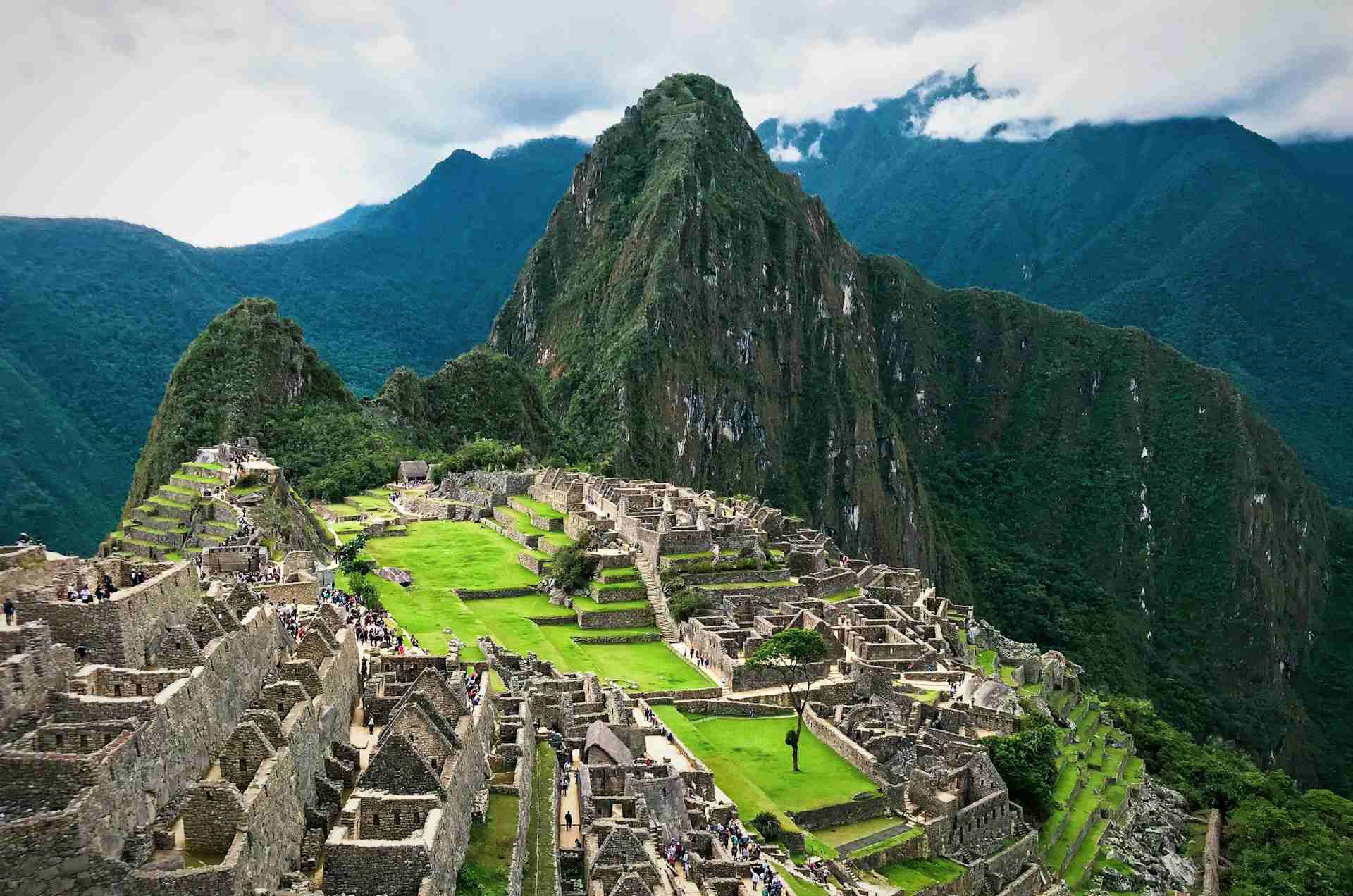
Machu Picchu stands as one of the most famous tourist sites in the world for good reason and almost everyone who comes to Peru makes sure to visit this Incan citadel.
I remember my first time there feeling the magical feel right away because the whole city sits high up in the Andes at 2430m or 7972ft above sea level where rock formations and terraces look like they are almost floating above the clouds with dramatic views all around.
Visiting this 15th-century archaeological site built with incredible precision and attention to detail transports you back to a sacred city full of temples, private quarters, ceremonial platforms that still radiate sacred energy and the name means old peak in the Indigenous Quechua language.
The site remains relatively well-preserved because the Incas abandoned it and Spanish invaders never plundered the place so it stayed in good condition until American explorer Hiram Bingham found it in 1911 and the process of restoring parts began after that.
You can easily spend hours or a whole day walking and exploring from various perspectives on different peaks to see the terraces, buildings constructed with such magic and it feels like a true Goliath among South America tourism hotspots.
The hype matches reality since this mystical and awe-inspiring wonder became one of the New Seven Wonders of the World and Peru’s greatest claim to tourism fame.
How to visit Machu Picchu Magic
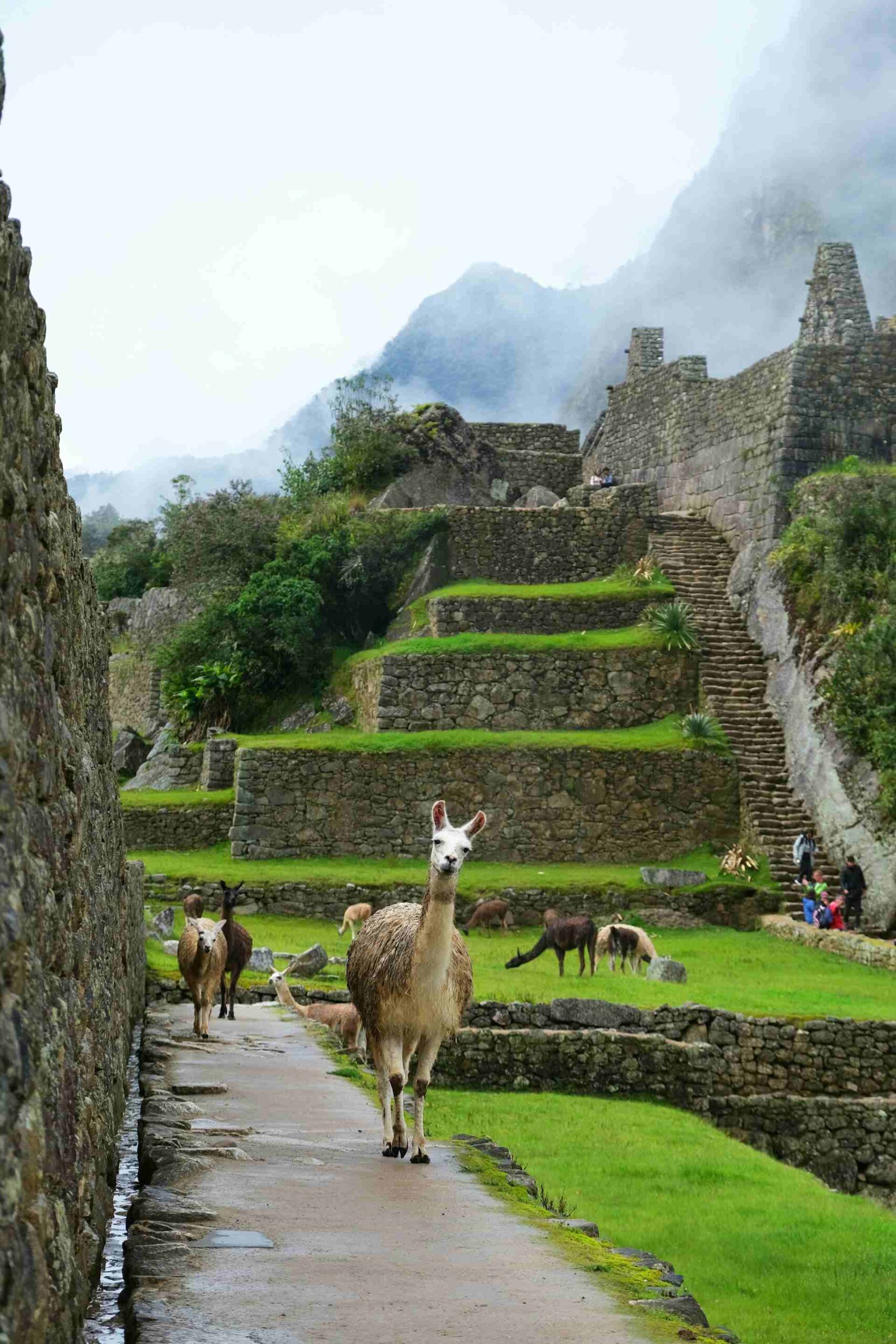
Getting there has options like a two-hour train ride from the Sacred Valley town Ollantaytambo to reach Aguas Calientes the small but hugely touristy town that serves as base or go adventurous on the well-known Inca trail a classic four- to five-day trek that traverses 42km or 26 miles through amazing paths or try Salkantay and Lares treks for quieter routes that heads into beyond the crowds.
A local guide makes the experience even better while self-guided walks work too but expensive choices exist depending on your plan and I always say read up on the times of year for best weather because the citadel sees two settings of heavy rain or bright burning sunlight so pack rain gear and sunblock to stay comfortable.
Inca Trail Adventure
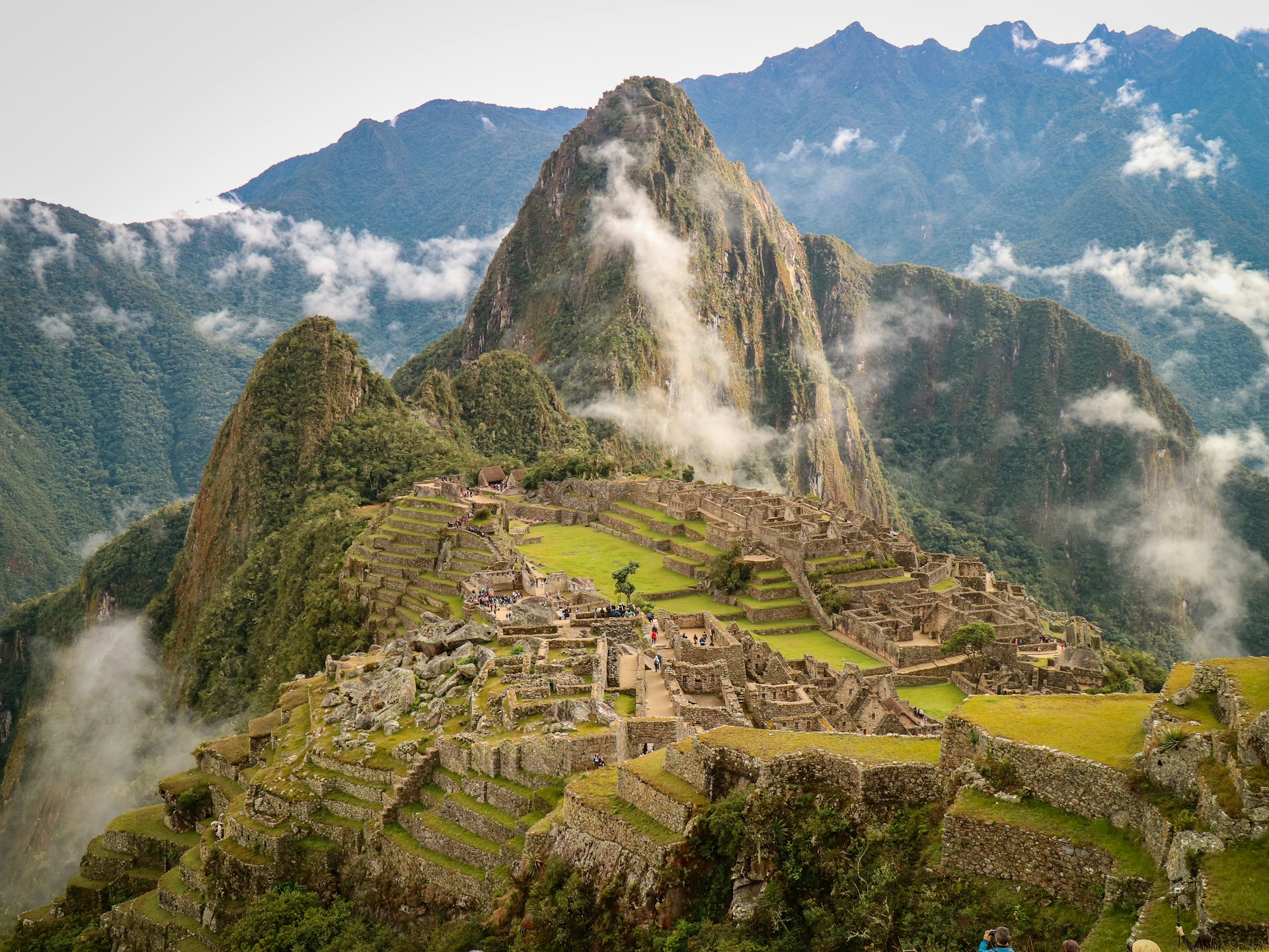
The Inca Trail in Peru ranks among the most famous things to do because arriving at Machu Picchu by entering through the sun gate after days of walking makes the whole day begin with a special experience.
The classic one lasts four days on the very popular main trail with limited permits so spots fill fast but it stays worth mentioning as the top way to feel the ancient path while the Inca Trail counts as part of the huge network of Incan trails across South America and got listed among Peru’s World Heritage Sites.
It can get crowded and sometimes you lost a bit of the spiritual atmosphere on busy days which is why I always consider other treks like the beautiful Salkantay Trek or the Lares Trek that focuses on untouched natural landscapes and small local villages for a quieter feel plus lots of different options exist to take you to Machu Picchu or the general area without the main trail rush.
Nazca Lines Mystery
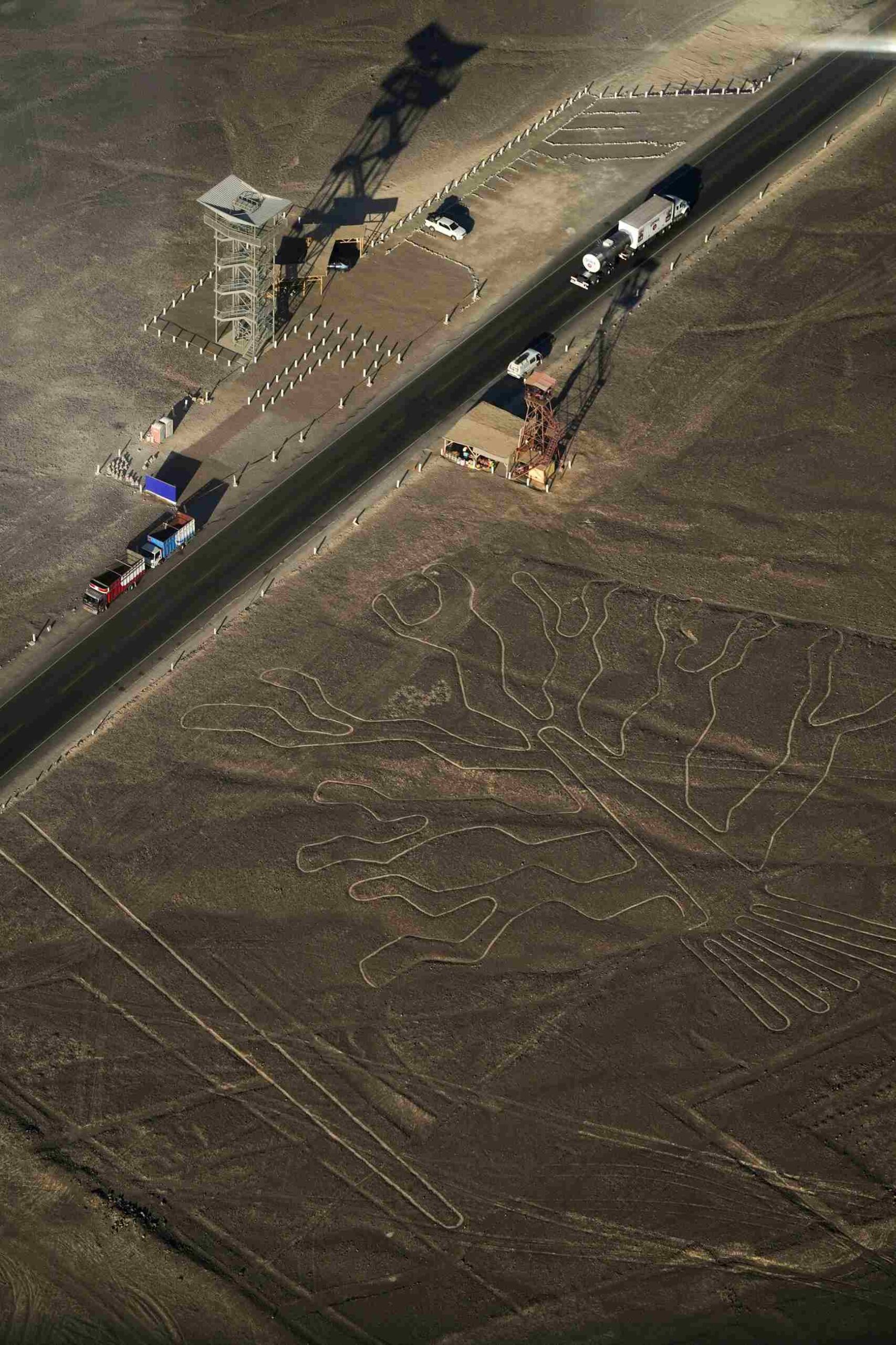
Peru’s ancient civilisations left behind one of the biggest mysteries with the Nazca Lines located 350 kilometres south of Lima where enormous markings cover the desert in straight lines, geometric shapes, and recognisable animals like the spider, monkey, and hummingbird with the largest figures reaching 200 metres long.
From my own trip I found the viewing platform right next to the highway lets you see the lines up close but it gives only a small part of the picture while scenic flights from the sky show the shapes properly and some people still talk about aliens as the reason they exist.
A quick side trip to the Chauchilla Cemetery just 25 kilometres away from the town of Nazca adds even more wonder because excavated graves hold skeletons still wearing clothes and hair that archaeologists left posed in this creepy way after being 2000 years old.
Amazon Jungle Wonders
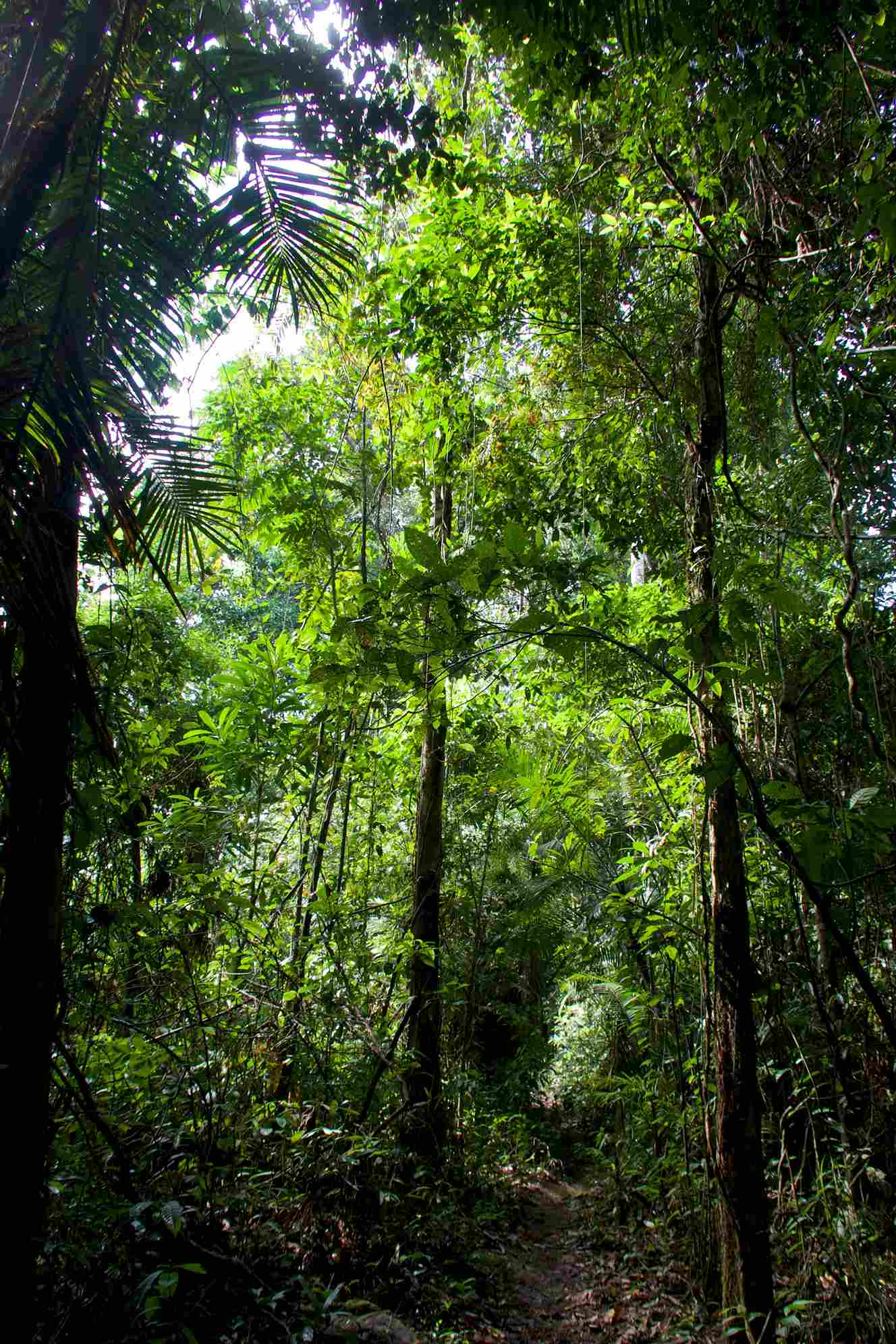
The Amazon Jungle covers a significant portion of Peru geographically and counts as one of the best places to visit in the country but most tourists spend only a small fraction of their time there since they tend to think the most famous spots sit in the mountains and on the coast.
I always recommend you mention the Peruvian Amazon because visiting this epic jungle gives a great way to see something totally different from the rest and not going means you miss a huge part of what makes Peru so amazing compared to other parts of South America.
From my trips the lots of access points to the Amazon make it doable and the easiest one starts from the city of Puerto Maldonado which sits relatively close to Cusco with a bus trip of 12 hours or just a 30 minutes plane ride that changes everything.
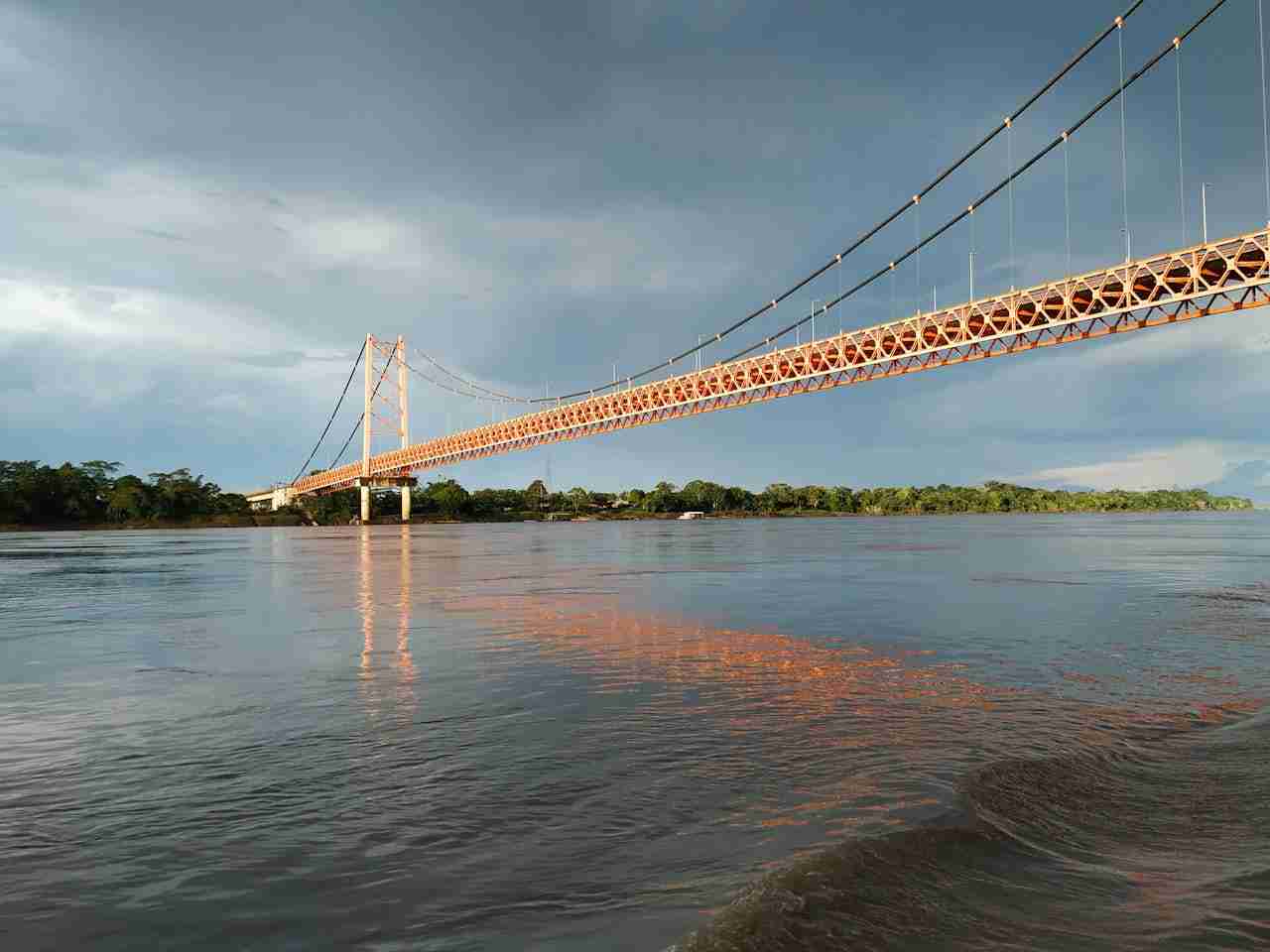
Puerto Maldonado serves as the capital of the southern Amazon rainforest with easy access to prime wildlife-rich jungles and feels like a small sweltering city but far more laidback than the bustling cousin up north Iquitos which makes it more attractive for families and anyone wanting an extended stay.
From here visitors can venture into the Tambopata National Reserve one of the last few pristine areas of rainforest spread over 2745 sq km or 1060 sq miles full of lakes rivers and thick forest as a protected area and one of the most biodiverse destinations on the planet boasting thousands of butterfly species hundreds of varieties of birds mammals and plants in the Madre de Dios region.
After a 1.5-hour flight from Lima you reach this humid city where the Tambopata and Madre de Dios rivers converge to create a quickly accessible point of entry into secluded rainforests of the Amazon basin.
Lots of different tour agencies and jungle lodges handle everything so you use them to explore the best spots for animals instead of trying to do it independently or rent a vehicle because I suggest going with something organised to stay safe and see more on a short Peru vacation since infrastructure here beats many entry points in Bolivia or Colombia even if it means an overnight bus or short plane journey sometimes.
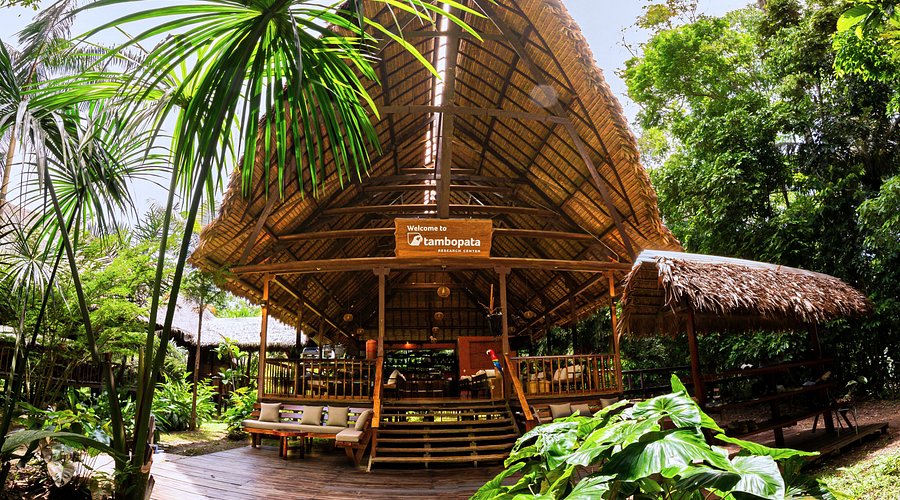
One favorite stays at the fantastic Tambopata Research Center around $236 USD double where you enjoy piranha fishing nocturnal hiking birdwatching and even ayahuasca rituals while motoring upstream to your jungle lodge and the word wise tip stays simple don’t forget mosquito repellent because the bugs come out strong in this hot wet world.
Cities
While the most famous things to do in Peru happen outside the country’s large cities many people still enjoy their time in these urban centres because they work well as transit hubs and let you use them to look deeper and find real treasures like lively markets old buildings and local stories.
Lima Highlights
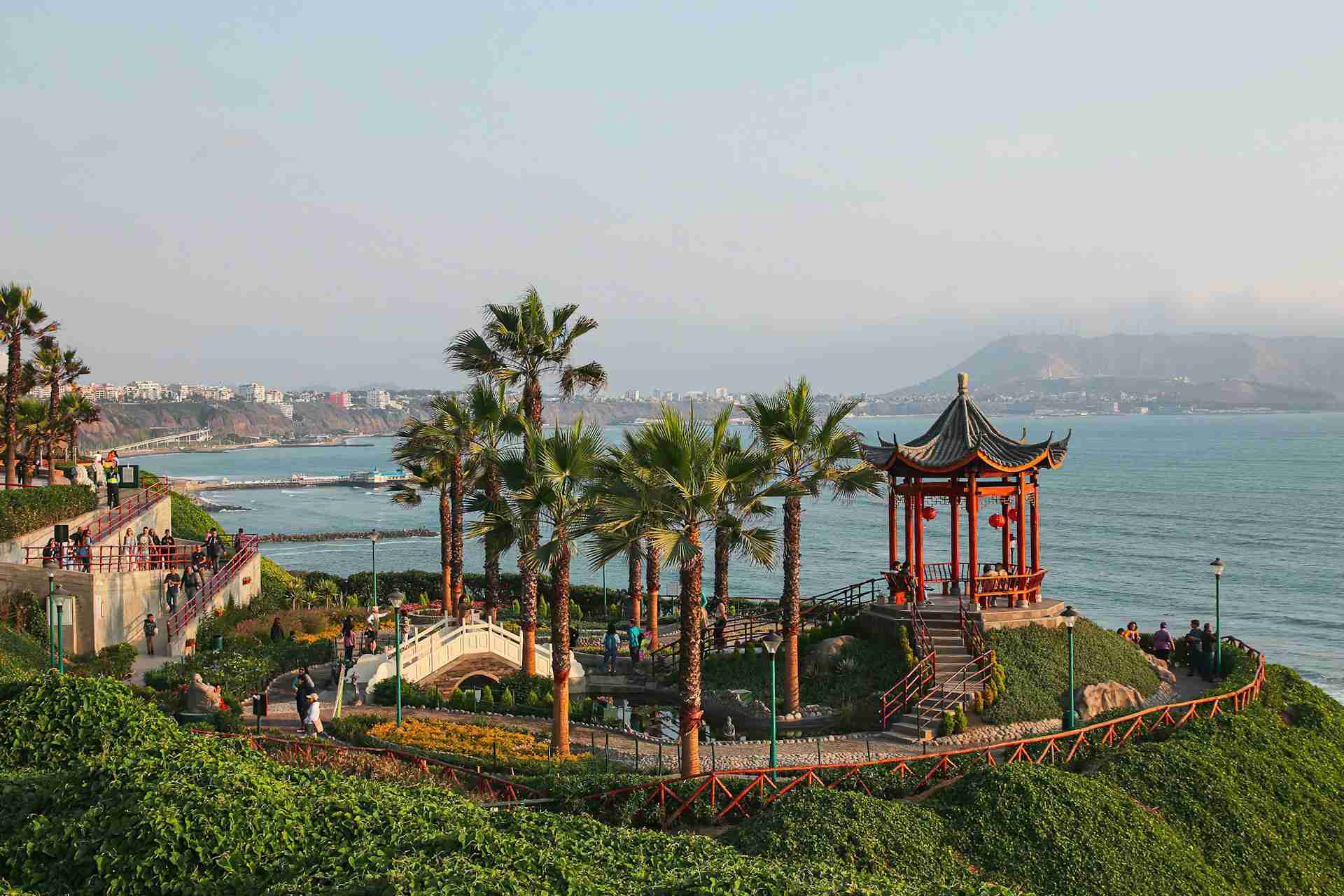
Lima usually starts your trip to Peru because most people fly in from overseas and tourists spend a couple of days here to get used to the altitude and time change.
From my visits I always stay in the Miraflores district since it feels upmarket and safer than other parts of the city with a large foreign population plus tons of modern restaurants and bars right on the water for great ocean views and fresh seafood.
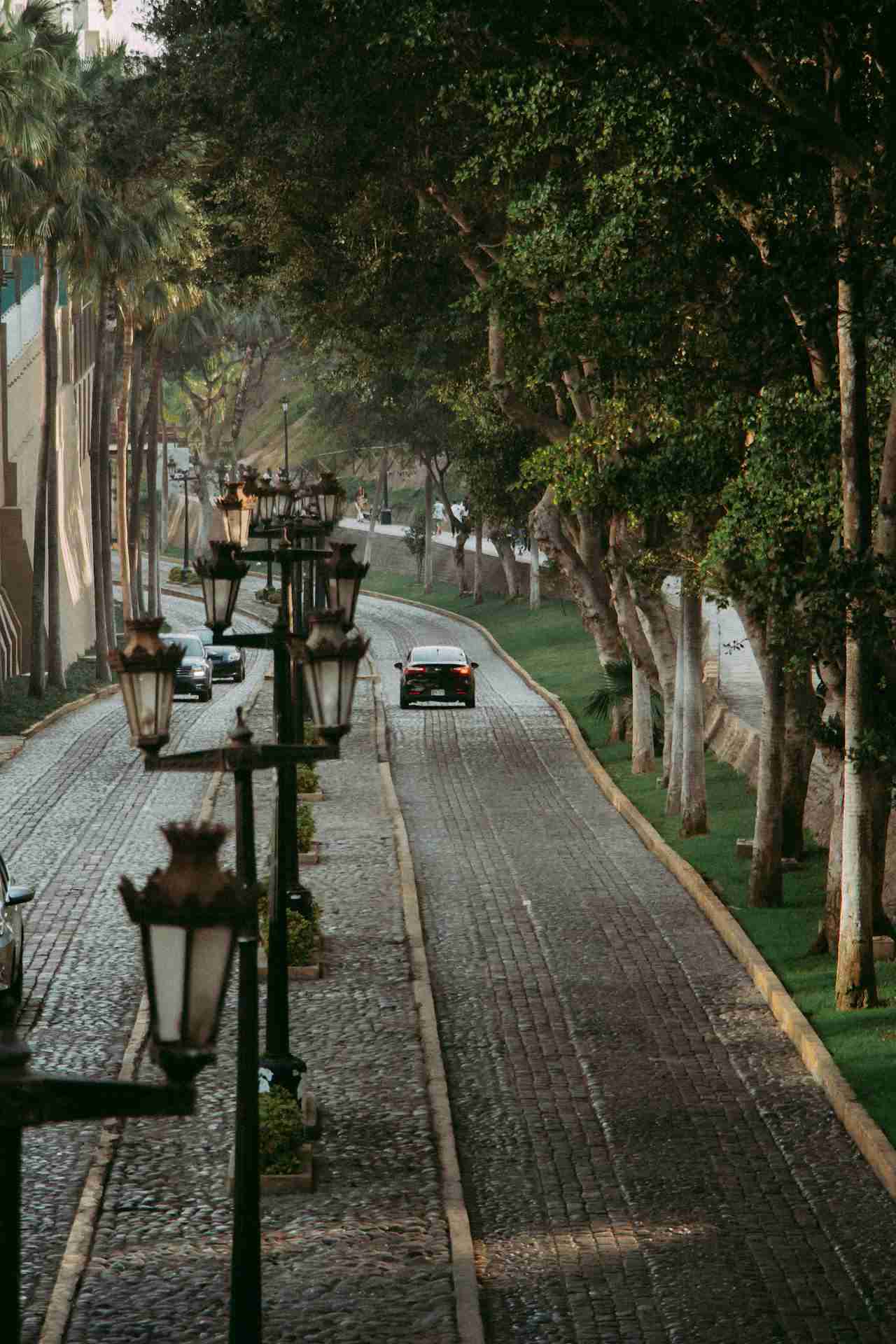
The main sights sit in the historic centre of Lima a World Heritage Site full of an incredible collection of historical buildings like the Plaza de Armas Presidential Palace and Church and Convent of San Francisco where you can wind your way through the streets that keep the original colonial layout and explore heaps of museums because in Lima you always find something of interest especially at the Larco Museum with its great exhibits on the country’s cultures and even a special room dedicated to erotic art.
Arequipa Charm
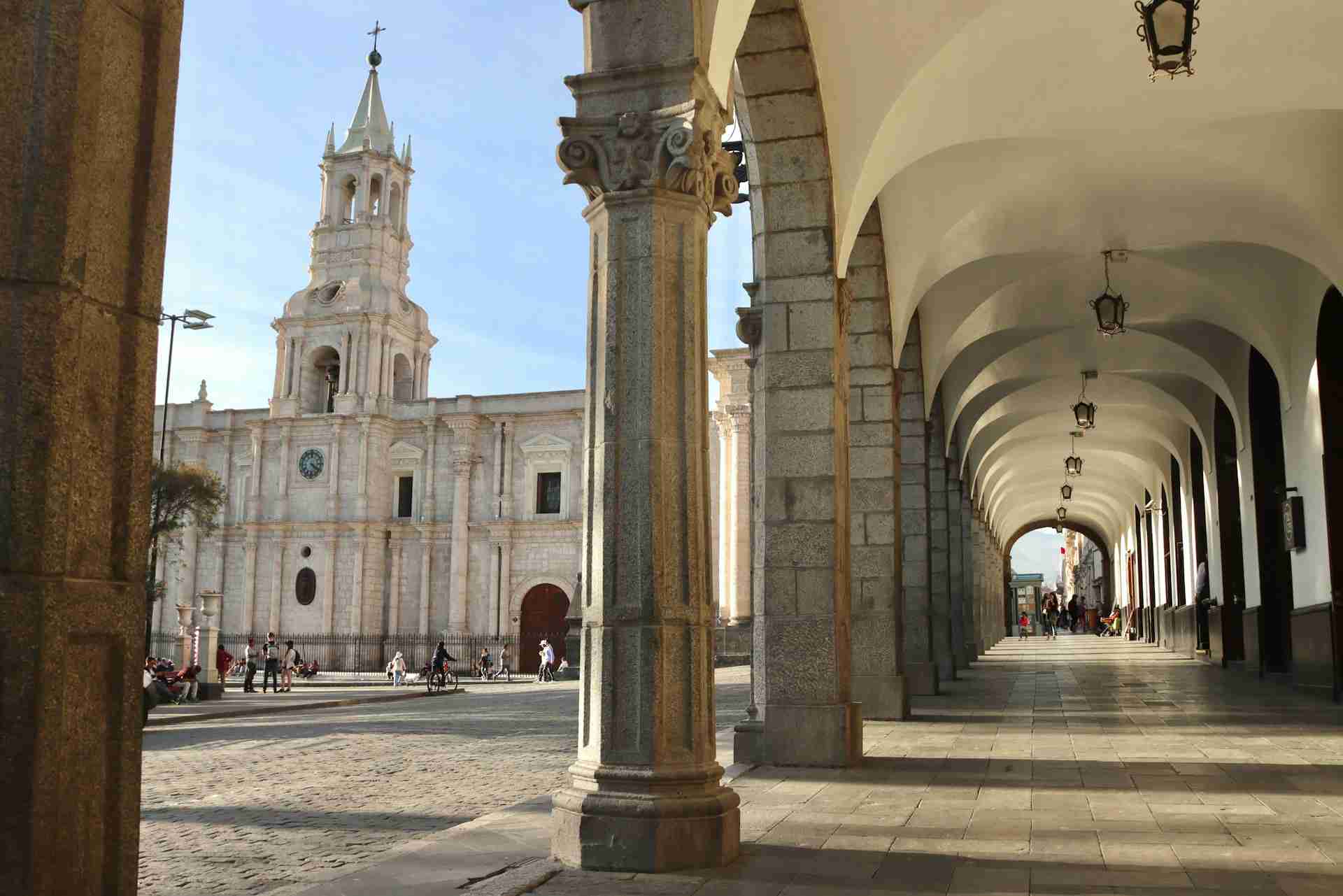
Arequipa is Peru’s second-largest city yet many skip it since it gets overlooked by tourists but it really is a wonderful place to spend a couple of days in exploration especially when your route has you heading in this direction. People call it the White City thanks to the similar white volcanic rock used everywhere so the historic centre shines bright and when walking through the clean grid pattern of streets the houses and shops sparkle in the sun under that clear sky.
The architecture shows some of the best examples of Spanish colonial style mixed with neoclassical buildings around the central Plaza de Armas with its big cathedral and pretty porticoes and the whole area earned status as a World Heritage Site for this stunning colonial architecture.
From my own stays there I loved visiting the fascinating Santa Catalina Monastery full of colorful walls and quiet courtyards plus if you feel brave enough head to the local market to try drink frog juice for a real taste of local life and it serves as a good base for short trips to natural wonders on its doorstep like nearby canyons and volcanoes.
Cusco Essentials
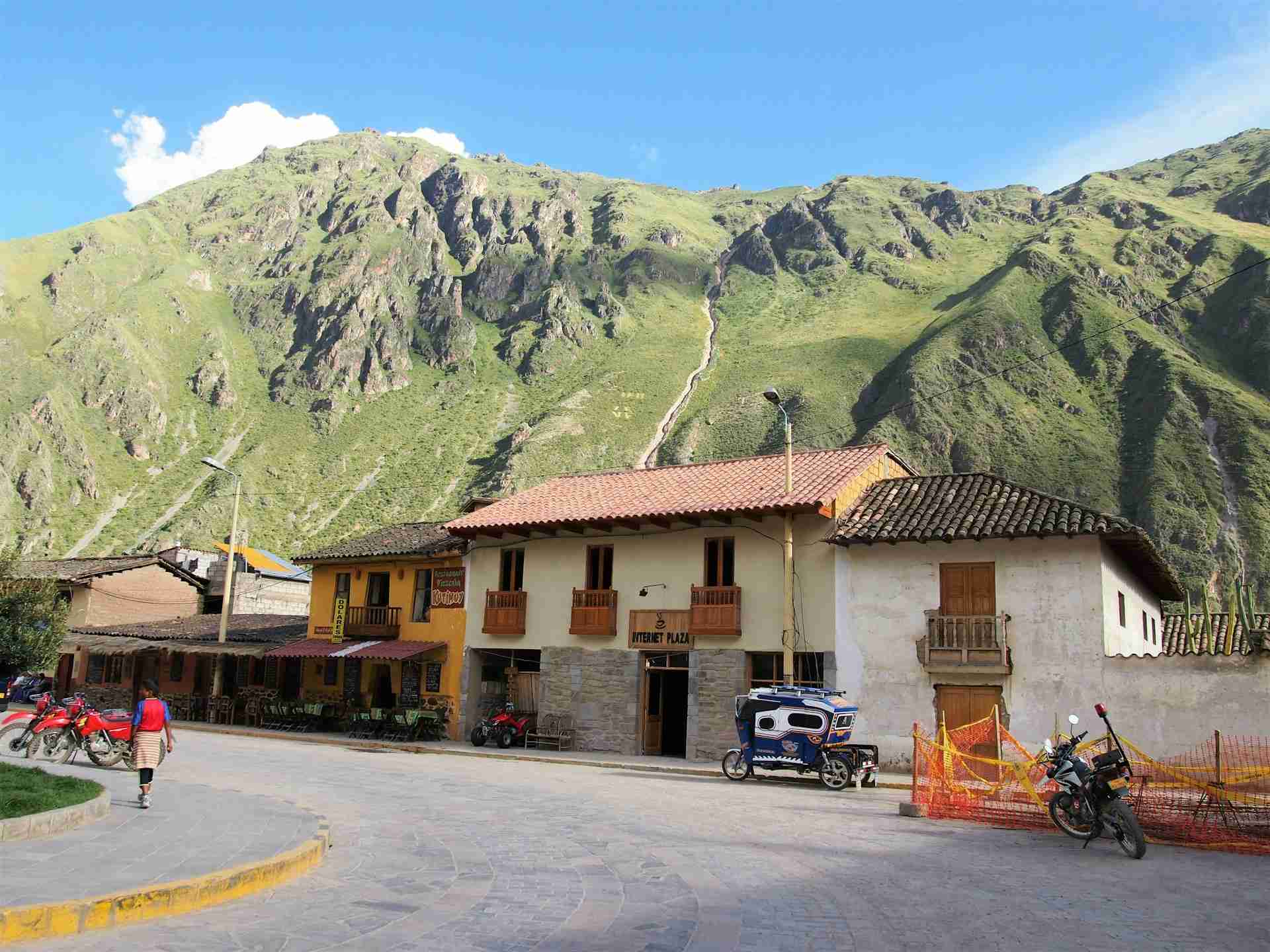
Cusco at 3400 metres above sea level is the jumping-off point for trips to the Sacred Valley and Machu Picchu with a fair amount to see in the historic centre so leave enough time to explore this ancient Incan capital the heart of Incan civilisation where roads led to the empire and the foundations laid by the Incas shaped the city like a puma though hard to spot while the colonial legacy consumed much after the Spanish arrived in the 16th century leaving main sights of grand Baroque buildings churches monasteries and manor houses built by Spaniards over Incan structures plus museums on indigenous cultures before Europeans came with many ways to interact with local communities as a great base for tours day trips and overnight journeys in the region.
The most popular centerpiece of Peruvian tourism and holy grail for a South American tourist it serves as a pit-stop on the way to Machu Picchu with Rainbow Mountains peaks of colourful sediments discovered a few years ago and its eccentric charm born from a bizarre fusion of colorful Andean tradition and contemporary intensive tourism making it a very popular city for tourists.
I enjoyed living there three months in 2020 getting asked every single day to pay for a photo with the guy dressed like an Inca while you spot little old gargantuan Incan stone walls brightly adorned sour-faced llamas vaguely traumatic stacks of roasted guinea pigs and local entrepreneurs pushing wares like sports massages and fake alpaca jumpers since it is hard to find an unexplored inch in the old town but the Baratillo market on Saturday offers an opportunity to escape the throngs and experience real local life while historic sites like Q’orikancha an Inca temple overlaid with a 17th-century church are worth a visit in recommended Cusco itineraries for further inspiration plus world-class rapids on the nearby Apurimac and Urubamba rivers so I recommend going white water rafting with local experts at B Corp Amazonas Explorer and mention Worldly Adventurer for a 5% discount.
Trujillo Highlights
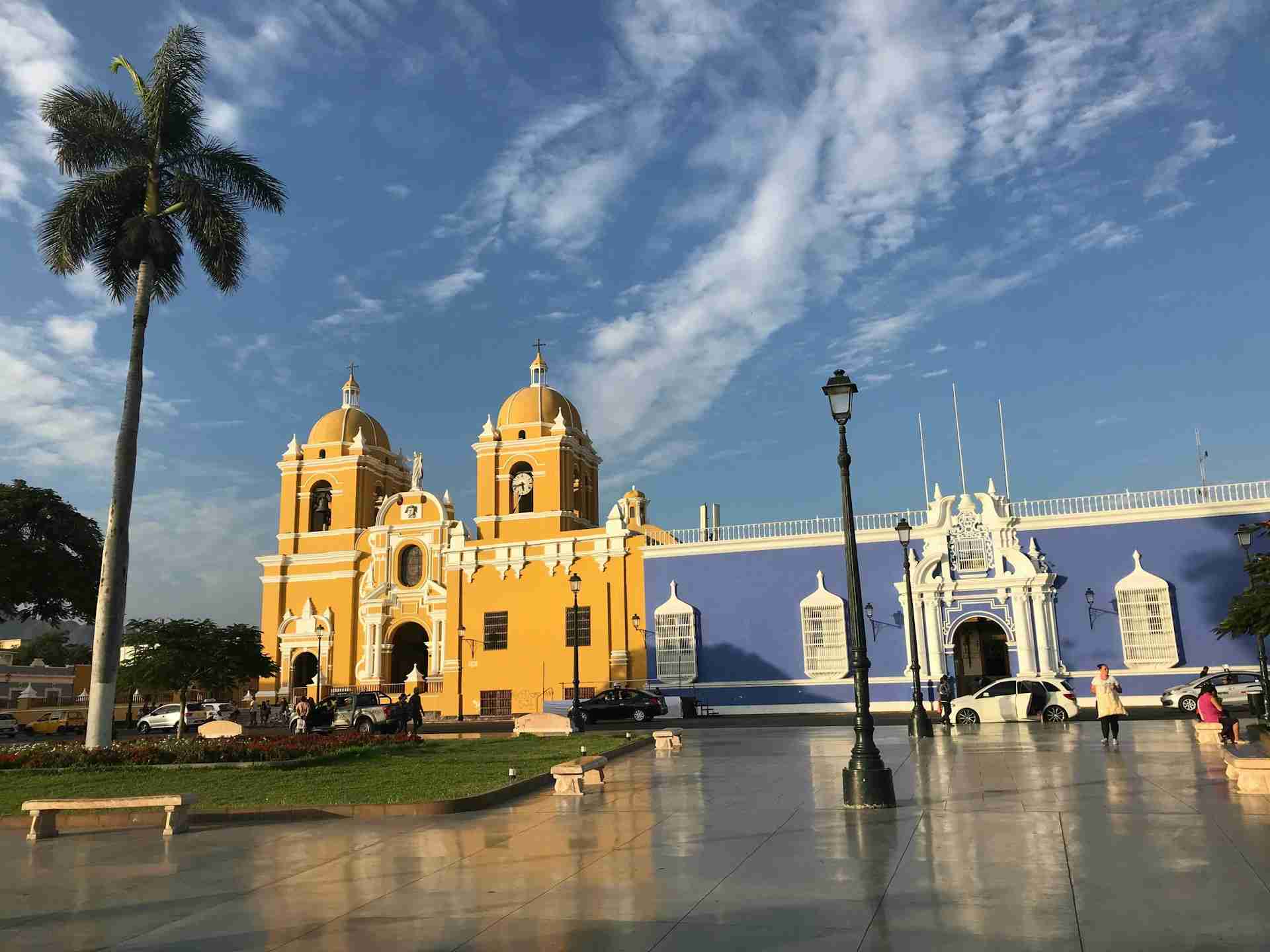
The city of Trujillo on the north coast of Peru far up the country sees fewer tourists who mostly pass through continuing on to Ecuador but it is a charming city that stays pretty with a palm-dotted Plaza de Armas and streets filled with colonial churches and restored old mansions painted in cheerful pastel shades making it impressive architecturally with sections of glamorous colonial-era buildings that hark back to centuries past and a lovely spot as a good place for a bit of a rest in the northern capital even if many have never heard of it.
The main reason it is worth visiting comes from the heritage sites in the region including Chan Chan the largest adobe city discovered on earth a UNESCO World Heritage site from the Chimú Empire around 850 AD once home to 60,000 people where you can explore the site and see restored mud walls with fish and bird motifs plus the huacas de la Luna and del Sol from the earlier Moche civilisation who lived here before the Chimu with two large pyramid temples showing amazingly sophisticated innovative engineering and colourful artwork and at huaca de la Luna the striking relief murals depict grizzly religious ceremonies known for use of human sacrifices to appease the gods so these spots are well worth a visit to complement a trip and feel the fascinating history of an array of ancient pre-Inca archaeological sites.
The Complejo Arqueológico El Brujo has a museum showcasing remains and treasures buried with a female shaman from Moche culture including mummified remains that show tattoos of spiders snakes and marine animals while interesting museums and the nearby small surfer village of Huanchaco add more to see and no one I met knew how rich this former area really is.
Iquitos Gateway
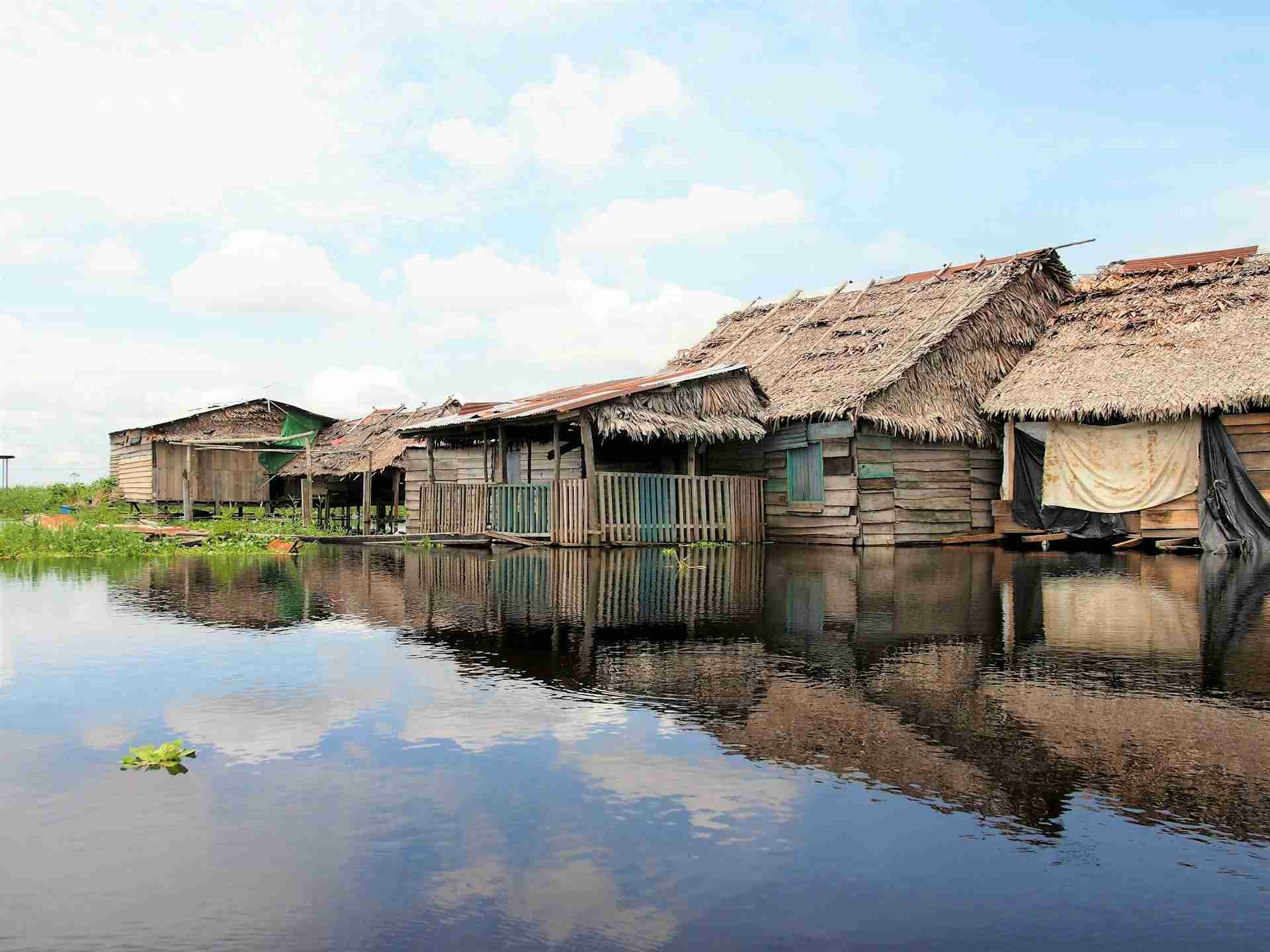
Iquitos is the largest city in the world that can’t be reached by road so the most popular way to access it is to fly in or come along the river in the northeast of Peru making it a fascinating city that never lets you forget you’re in the Amazon with water and jungle encroaching on the urban centre where colonial-era buildings particularly churches mix with modern mansions and traditional huts used by many people.
While Puerto Maldonado serves as the main option for the Amazon Iquitos offers a more adventurous one as the top launching spot for boat trip or another type of expedition and it has more than enough fascinating sights to make the Amazon a destination in its own right.
Cultural heritage
Peru has deep cultural heritage built over centuries and millennia as many civilisations made this land home and left behind incredible cultural places to visit across beaches, mountains and beyond that still amaze visitors today.
Sacred Valley Gems
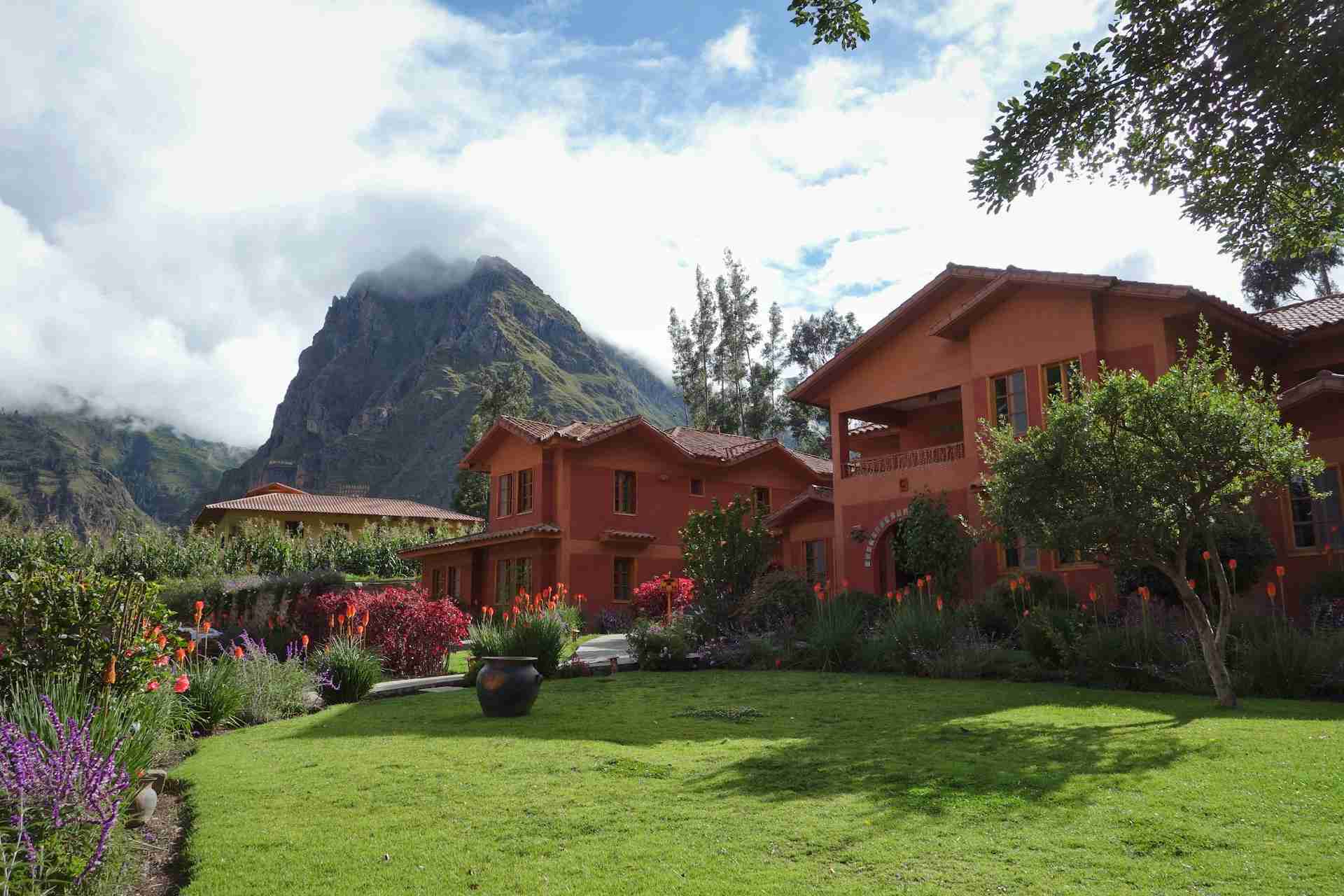
The Sacred Valley 15 kilometres from Cusco is an important area for the Incas with quite a few ruins and citadels like Ollantaytambo and Pisac plus popular cultural hubs where local communities run established workshops for crafts and traditional artworks including women’s weaving collectives that make it interesting to visit and a good place to buy warm things for a mountain trek.
The fertile valley along the Urubamba river spreads outwards with arresting beauty and healing energy so it is peppered with wellness retreats offering yoga meditation and plant healing ceremonies like the notorious ayahuasca while small colonial towns show how the region changed after the Spanish arrived and vanquished the Inca Empire.
It sees a large number of visitors on the way to Machu Picchu with adventure activities such as quad biking paragliding and ziplining and serves as the starting point for the Inca Trail plus hosts a great market and fascinating archeological site with an epic foam fight in annual Carnival celebrations making this interesting key destination on the local tourism circuit a great place to acclimatize to high elevations at lower altitude where you find plenty of places to stay and spots like Mil the expensive restaurant run by acclaimed Peruvian chef Virgilio Martínez that looks incredible and tops many a list to return.
Caral-Supe Discovery
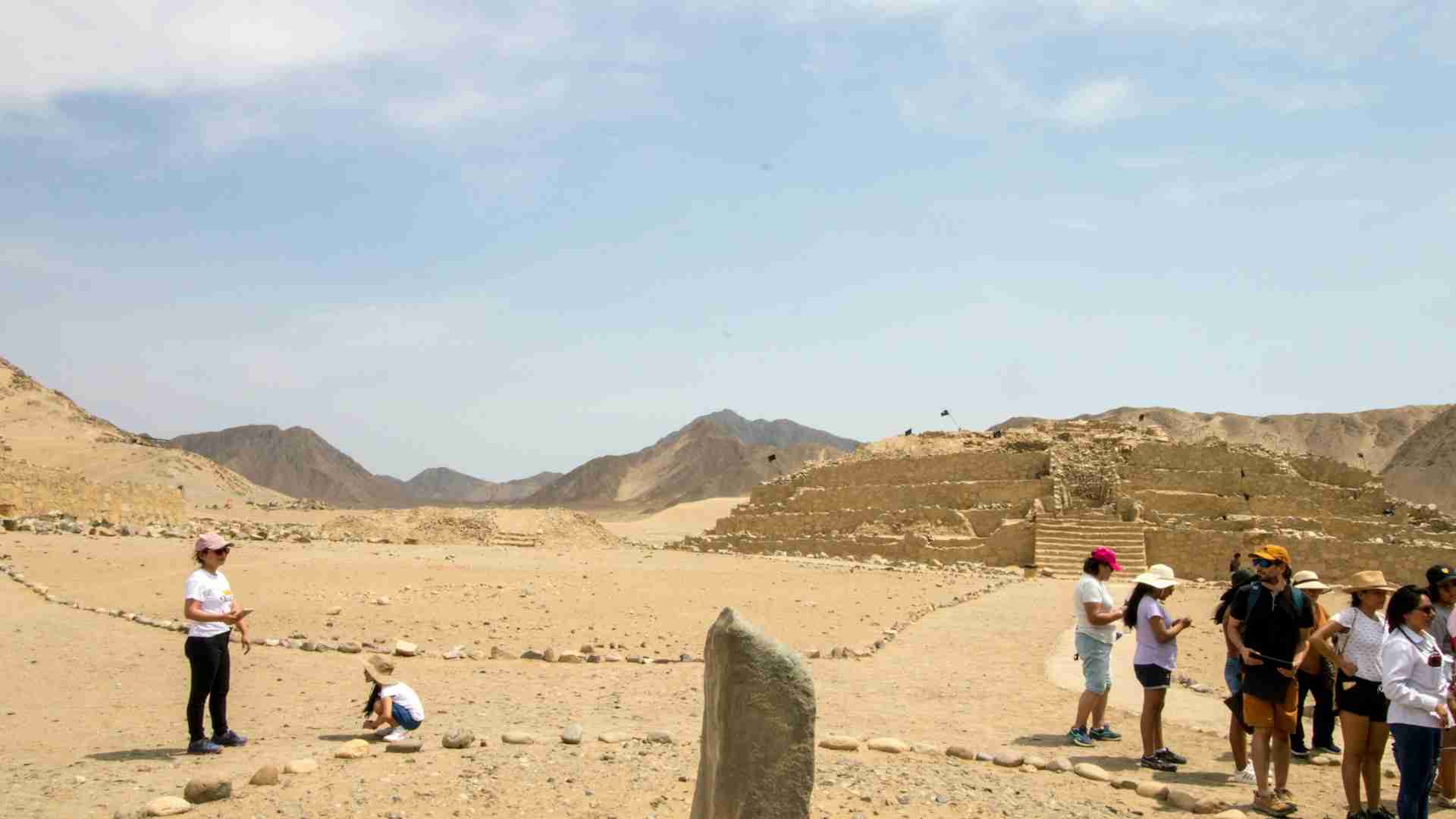
Heading north of Lima 200 kilometres away or a 3.5-hour car ride from the capital city of Lima brings you to Caral-Supe home of the ancient city of Caral the first civilisation of the Americas founded around 5000 years old with construction started here at the same time as the Great Pyramid of Giza making it not particularly famous but really significant as the Caral culture is the officially oldest civilization ever uncovered in the Americas that predates ceramic pottery the Incas and much of what people think about Peru ancient civilizations so think again if you thought you knew anything about Peru ancient civilizations.
Located in the high desert of the Supe Valley just inland Supe Valley this UNESCO World Heritage Site shows the visible shift from separate tribes to a shared urban community as the key to understanding the beginning of Andean culture with advanced architecture skills used to built large pyramids six stone pyramids another 14 other buildings mud-brick amphitheaters ceremonial rooms circular plazas remains of six pyramids and clear remnants of urban planning plus agricultural practices that would greatly influence subsequent cultures in Peru and the site remains remarkably preserved even though archaeological work didn’t begin until 1996.
Visit Caral-Supe today gives a fair amount to see in this ancient well preserved place similar sites in Egypt but with its own story and a guide can take you around the site through pyramids and important structures for worship and civic ceremonies since it is tricky to get to Caral-Supe independently so take a tour or hire a car while public transport onward is possible and a three-hour bus journey north from Lima gets you close.
Few tourists make it to this still impressively conserved wonder built around the Norte Chico culture and with a guide visitors can stroll through what was once a complex city of ceremonial purpose making it best for desert explorers who want quiet ancient history.
Chavin de Huantar
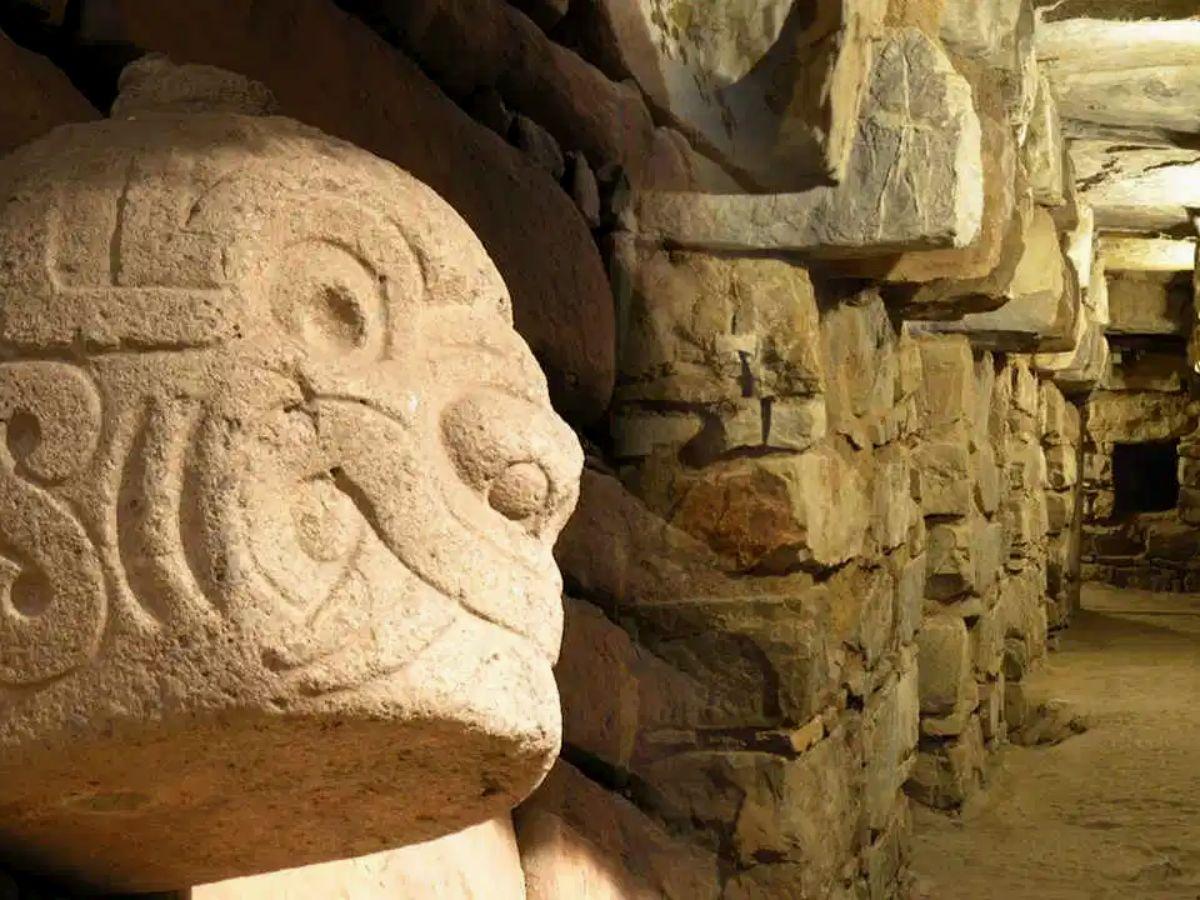
Chavín de Huántar makes a great day trip from Huaraz and I recommend it to see this archaeological site that served as a spiritual centre for the Chavín civilisation who lived here 3000 years ago built sometime around 900 BC and reached its peak by 300 BC as a spectacular temple complex pertaining to the Chavín cult that once housed around 3,000 priests for the worship of a fanged feline deity where followers were enthusiastic takers of namely San Pedro cactus.
The Chavín were fascinating people who took hallucinogenic drugs and did human sacrifices while creating beautiful artwork in the ruins with carved stone art made including the very cool jaguar head temples other monuments relief carvings still dotted around the vast site that depict drug-inspired beings plus special items like the Tello Obelisk Estela de Raimondi and pillars of polished granite with intricate carvings demonstrating exceptional craftsmanship in a dramatic setting built into green hills surrounded by mountains that gives a memorable experience when you stand amongst it and picture the debauched ceremonies that once taken place here.
Although some parts are in a poor state due to earthquake and flood damage this UNESCO world heritage spot remains one of the country’s finest and most important sites and certainly merits the bumpy, terrifying at times four-hour bus journey through the Callejón de Conchucos that offers dramatic views.
Another place hard to reach independently so day tours from Huaraz stay easy and affordable while many head to the Museo Nacional de Arqueología, Antropología e Historia del Peru in Lima to see more from this place.
Chan Chan
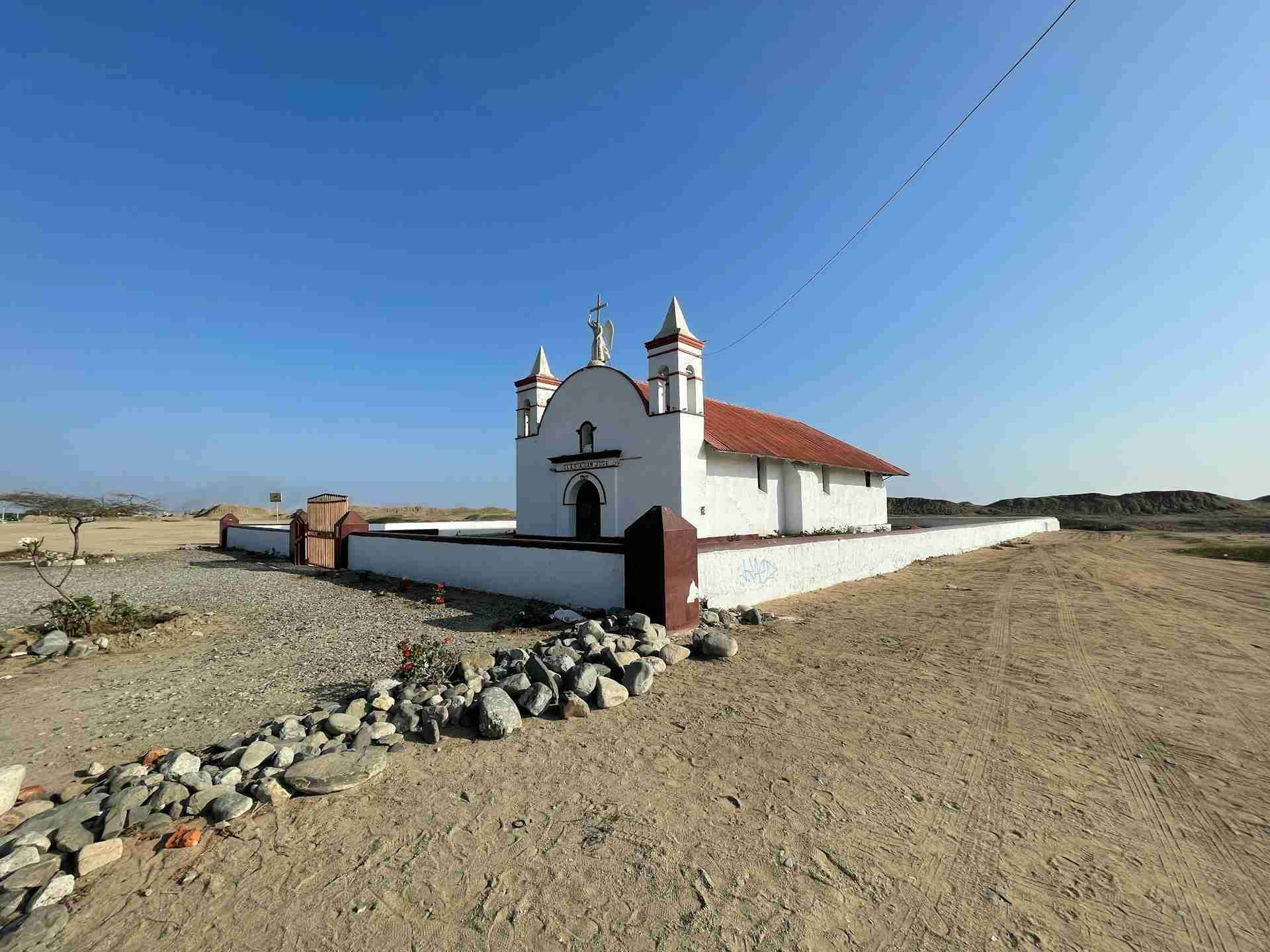
Chan Chan on the coast of northern Peru is the largest city in the Americas before the Spanish arrived in the 16th century serving as the capital of the Chimu people who controlled a vast empire stretching 1000 kilometres down the coast and it was built out of mud adobe bricks with thousands of buildings palaces temples and homes for about 30,000 people forming an enormous sandcastle made from mud smoothed over that still feels huge today. Visit Chan Chan and much is still here to explore on the edge of the city of Trujillo which I mentioned earlier though it is threatened by erosion so walls can be washed away and needs protection but it remains one of the most incredible places to see in Peru even if it is neglected by tourists because most attention goes to Machu Picchu.
Natural sights
Peru offers the country’s natural sights and landscapes that are truly spectacular and varied so even if you are short on time I recommend making the effort to get out to one of these regions because the best things to do in this country include seeing these amazing natural spots up close.
Huascaran National Park
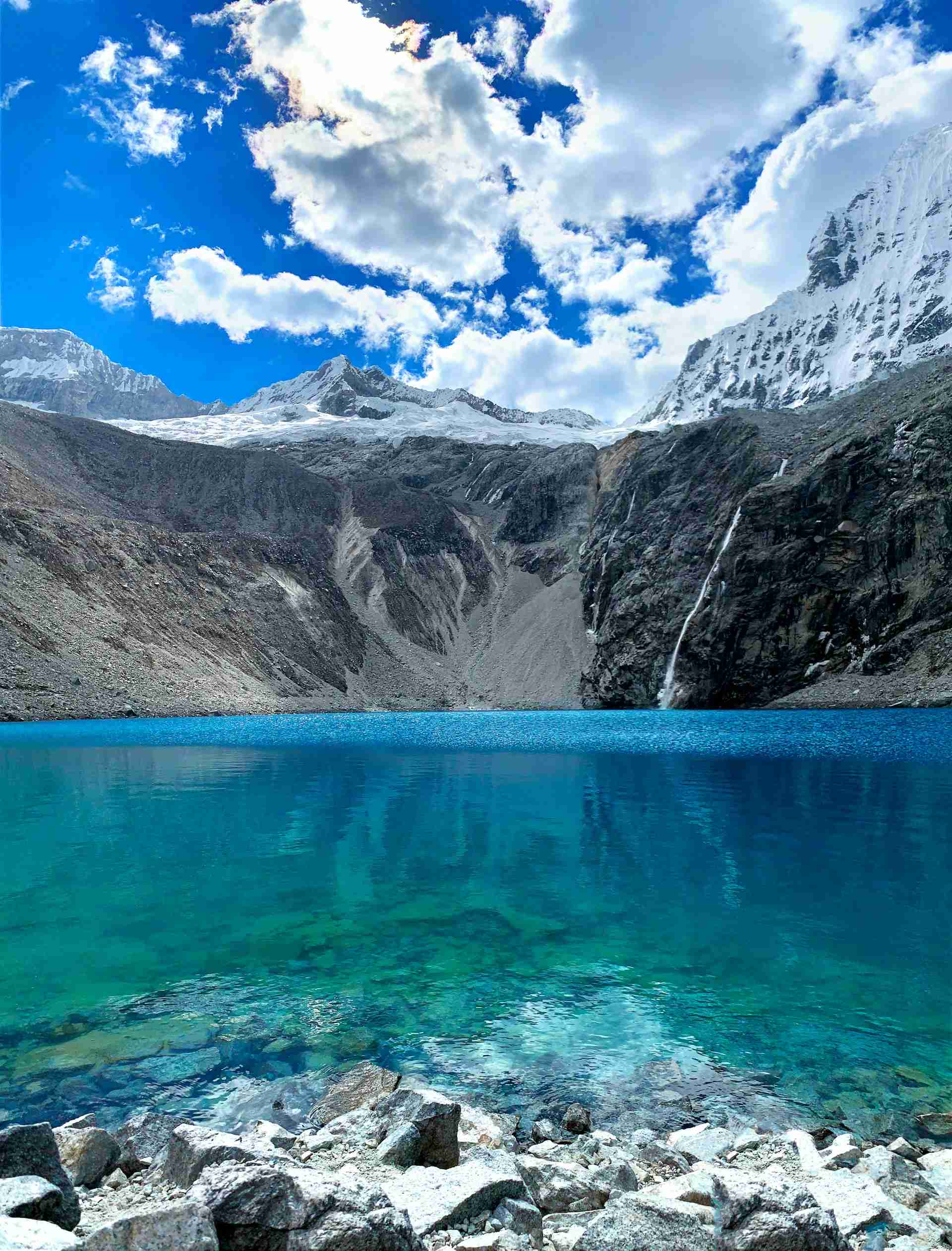
The northern Andes in Peru give dramatic and naturally beautiful views that get less attention than the treks to Machu Picchu in southern Peru but the popular hiking region of the Cordillera Blanca is the jewel in the crown with Huascaran National Park as a top spot for adventurous travellers in this section of the mountain range.
The most famous day trip is the hike to Laguna 69 or hike to the Laguna 69 lake where climbing up shows changing landscapes to a stunning glacial lake with piercing blue colours against snow-capped mountains as the backdrop and though the walk is difficult it is worth it every time. The famous lakes and hikes include the popular long-distance hike Santa Cruz trek that takes four days and looks absolutely spectacular often better than anything in South America while the very adventurous love the longer Huayhuash Circuit or lots of other options that take even longer so if you like hiking this park offers some of the best things to do in Peru and I suggest basing yourself in the city of Huaraz for a day trip or two or get prepared to go on a longer hike to see even more.
Salinas and Aguada Blanca Reserve
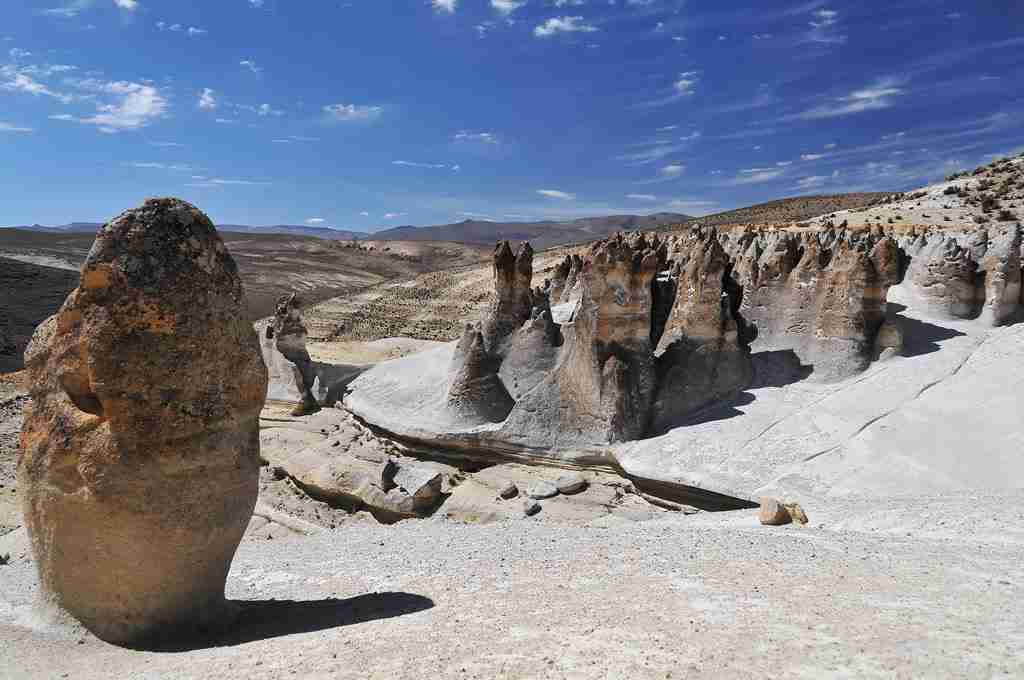
Salinas and Aguada Blanca National Reserve is one of the lesser known natural sites in Peru but it feels fantastic and very easy to visit from Arequipa so even though this city is more famous and most travellers give it little time to visit I always consider a stop here.
Visiting Salinas and Aguada Blanca National Reserve takes you on a journey to almost 3000 metres altitude with high imposing volcanoes over dry desert-like landscapes expansive grasslands and wetlands full of birds plus local animals everywhere and the main features are the strange rock shapes created by wind erosion that form a maze of paths through small canyons and cliff tops with amazing natural sculptures. Visitors can go as part of a tour to Colca Canyon or choose from a few good options starting in Arequipa.
Colca Canyon
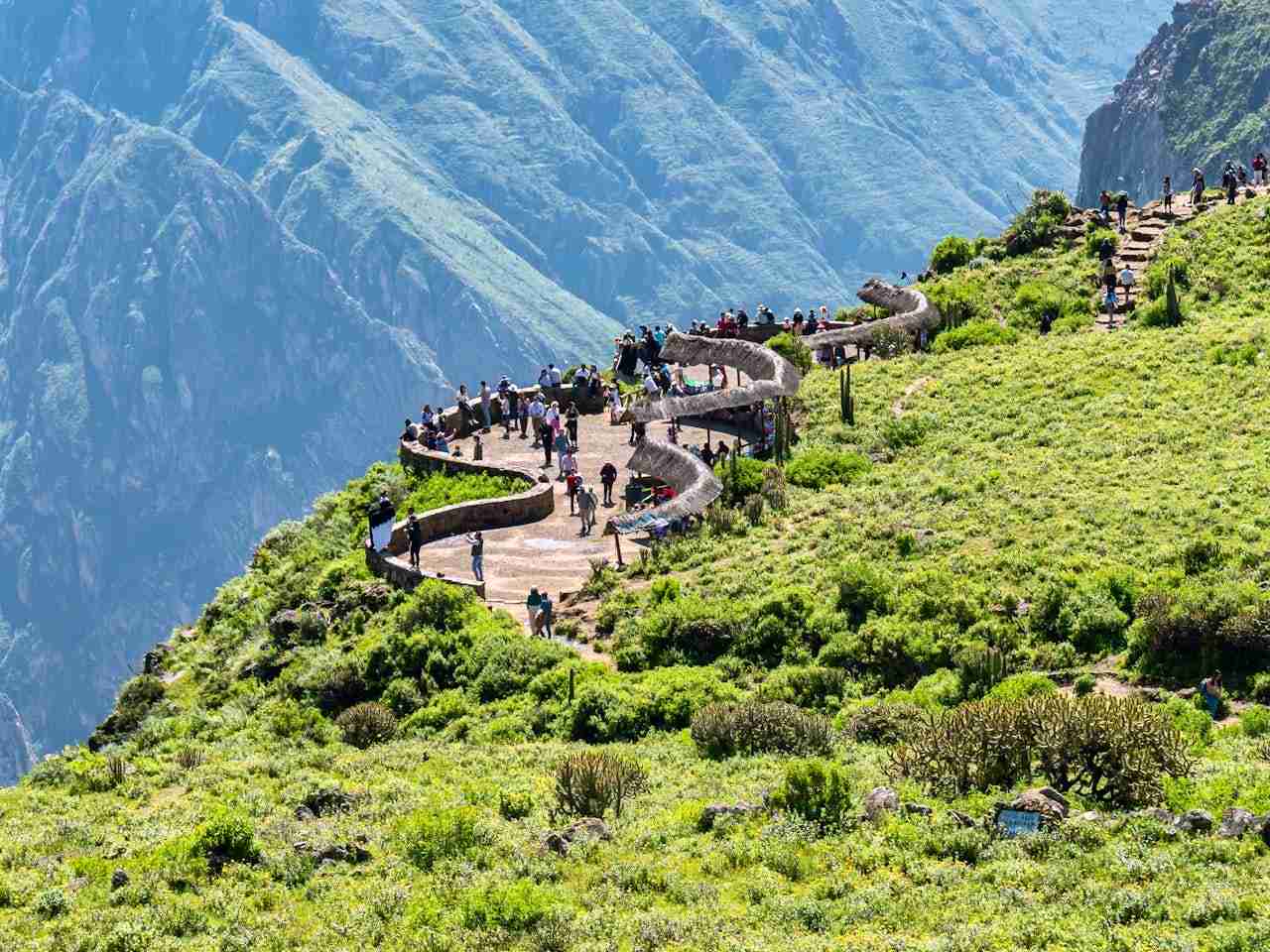
Colca Canyon is also near Arequipa and ranks as the second deepest canyon in the world twice as deep as the US’s Grand Canyon so it counts as a huge natural wonder and the centre of this region with incredible landscapes that look endless. Centuries ago it was the heart of the Incan agricultural industry where terraces carved into the canyon used to grow food that got sent across vast distances to feed the great empire with different crops planted at different altitudes depending on what would grow best and those steps still cover the walls today.
Many people do a quick trip here to see the condors then leave again but I always recommend you spend longer even overnight because the place feels much better when you stay. Good tours leave from Arequipa and arrange everything easily.
Cañon del Colca is twice deep and famous for its dramatic scenery plus pre-Colombian agricultural terraces built on sheer sides making it a well-known established Peruvian landmark you should not miss among the best places in South America.
The endangered Andean Condors get seen gliding over rocky cliffs and skies above so clearly at the Mirador Cruz del Condor entry point on the western side while the small town Cabanaconde works as a base reached by a 3.5-hour bus journey or a two-day hike that sees the canyon plunge down into the depths and ends with an evening relaxing dip in swimming pools at the lush Paraiso Las Palmeras Lodge for S/133 or $40 USD double before an early lung-busting climb back out the next morning.
Lake Titicaca
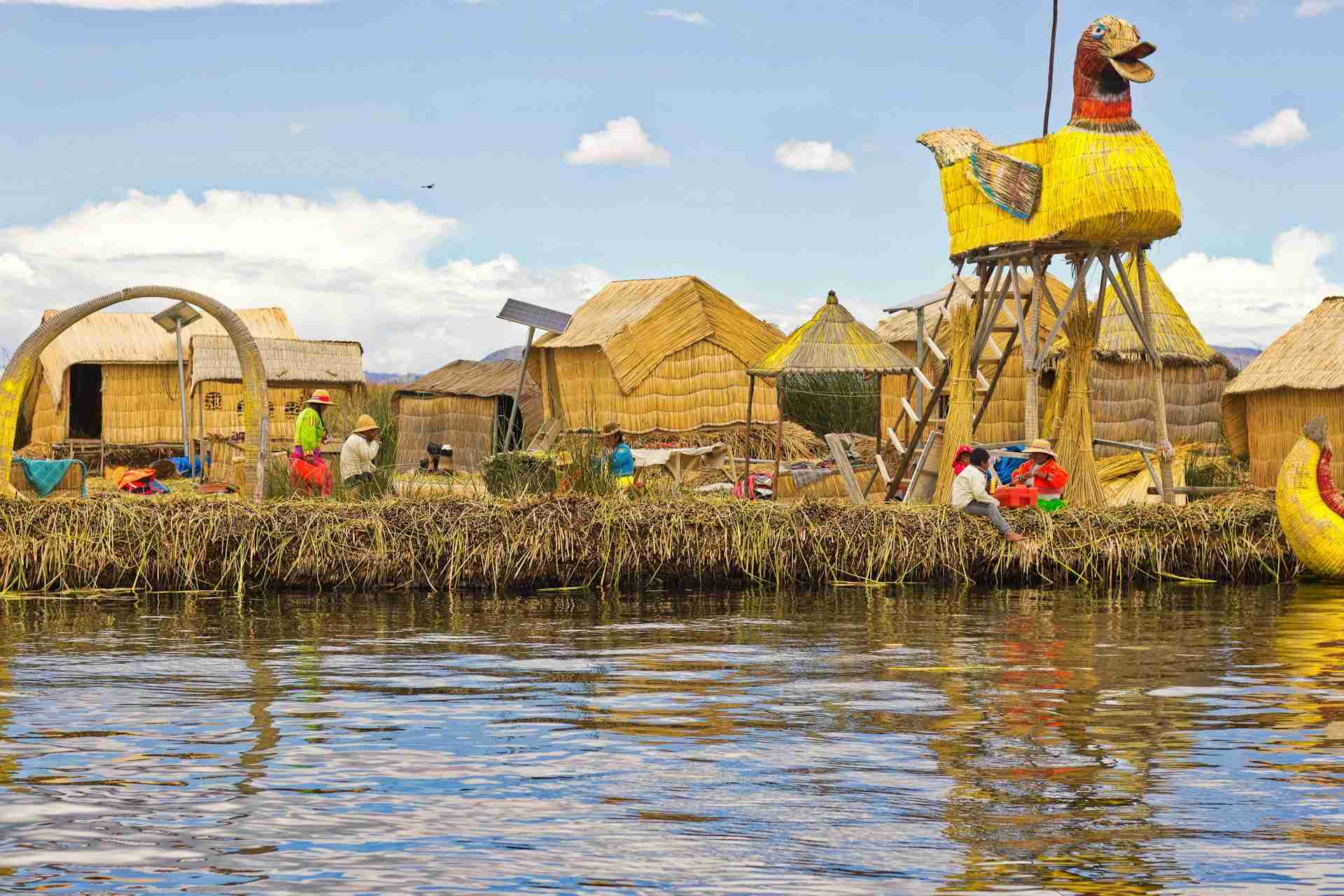
From my travels around the globe I know that many travelers search for Best Places to Visit in Croatia yet my favorite spot is in Peru where Puno acts as the main base to explore this colossal Lago Titicaca with boat trips to islands in the middle of the water where centuries-old traditions like weaving other crafts and fishing continue among local communities who keep traditional cultures alive today and tourism helps preservation of Indigenous handicrafts while families offer homestays and this Lake Titicaca is the largest lake in South America shared by Peru and Bolivia and also the biggest high-altitude lake and highest navigable lake in the world at 3812m or 12,506ft above sea level this sacred spot mixes natural beauty with ancient culture and Andean traditions that make it feel like the birthplace of the sun and place of origin for the first Inca Manco Capac and his wife Mama Ocllo in Incas and Andean mythology stories.
The Uros Islands feature 120 remarkable islands hand built from reeds by the Uros people and though some find tours overly touristy staying overnight on a reed island gives a much more relaxed less-than-traditional experience with reed furniture and quiet mornings while Amantini island provides a homestay as a great way to see non-floating island life firsthand and discover secluded corners of the ruggedly beautiful landscape.
Visitors get stunned by the deep blue of the lake and intense stars at night plus archaeological sites to learn about history of the region and glide out on three types of boats like Veloz high-speed speedboats lancha rápida speedboats or embarcaciones artesanales traditional boats that take twice as long but show more calm views. Local tips bring warm layers and plan to stay out on deck because high altitude makes it cold. This popular stop needs least planning for a day trip but longer stays let you take in fresh air and everything slowly.
Faq
What is the most beautiful part of Peru?
Peru has many beautiful spots but the beautiful part often comes down to personal taste with Machu Picchu as the famous place to visit Arequipa one of the beautiful cities to visit Cusco the stunning archaeological city to visit Iquitos the hidden gem to visit and Lake Titicaca the stunning lake to visit so these rank high in any Top Best Places Visit Peru list.
The top 10 best places to visit in Peru include Machu Picchu (the famous ancient citadel), Arequipa (one of the most beautiful cities), Cusco (the stunning archaeological hub), Iquitos (a hidden gem in the Amazon), and Lake Titicaca (the breathtaking high-altitude lake), among other incredible spots.
What are the 7 wonders of the world in Peru?
Machu Picchu is the only one from Peru in the New Seven Wonders of the World after it was voted through a worldwide Internet poll declared a Peruvian Historical Sanctuary in 1981 and named a UNESCO World Heritage Site in 1983.
Is it better to fly into Cusco or Lima?
It is better to fly into Cusco directly with no real reason to spend time in Lima first since Lima does not provide any acclimatization benefit for Cusco or the Andes and taking a red eye excellent choice flight into Lima then connecting lets you arrive rested in Cusco so you will not regret skipping Lima.
What is the most visited in Peru?
Machu Picchu is the most visited in Peru with its ruins the internationally recognized ruins of Peru that receive the most tourists while other popular ruins such as Chan Chan Sipán Kuelap Nazca Lines Ollantaytambo Caral Sacsayhuamán and Sillustani also attract visitors but none come close.
